So, I've been thinking about 16mm vs 35 mm camera options lately, and it's got me curious about the whole film photography scene. Like, what's the deal with these different sizes, and why does it matter? Let's explore this together, shall we?
When it comes to film photography, the choice between 16mm and 35mm cameras is a classic debate. These two formats offer distinct advantages and cater to different needs and preferences in the world of analog photography. So, let's break it down and see what makes each size unique.
The 16mm Advantage
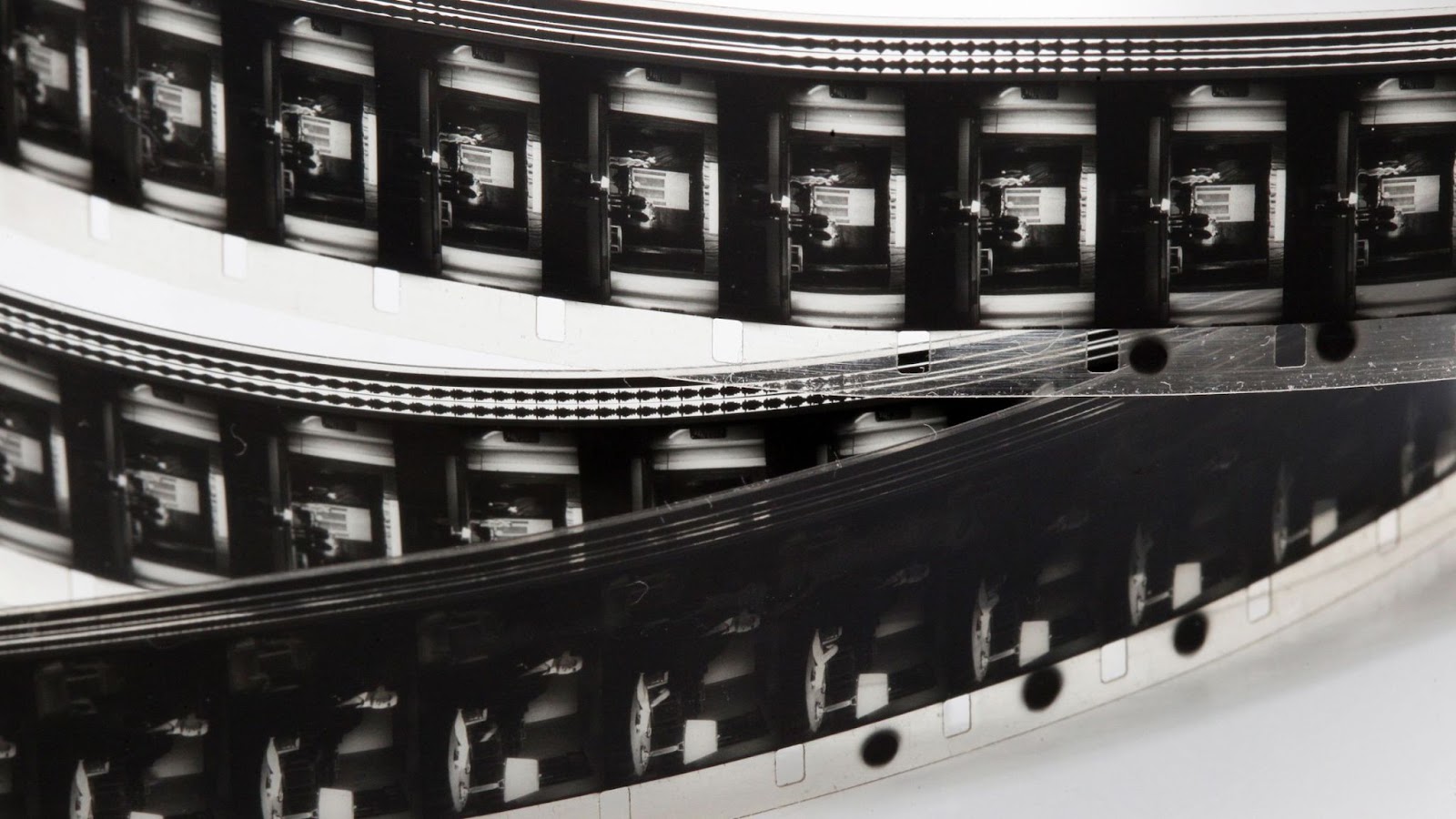
Starting with 16mm, this format is often associated with a more intimate and personal style of photography. The smaller size of the film means you get more frames per roll, which can be a huge plus for those who love to shoot frequently and capture many moments. It's perfect for documenting everyday life, travel adventures, or even creating a unique cinematic feel in your photos. Imagine having a whole roll of 72 or even 120 frames to play with!
Additionally, 16mm film is known for its versatility. It's commonly used in both still photography and cinematography, offering a great option for those who want to explore both worlds. The smaller size also makes it more portable, so you can easily carry it around and capture spontaneous moments without feeling weighed down.
35mm: A Classic Choice
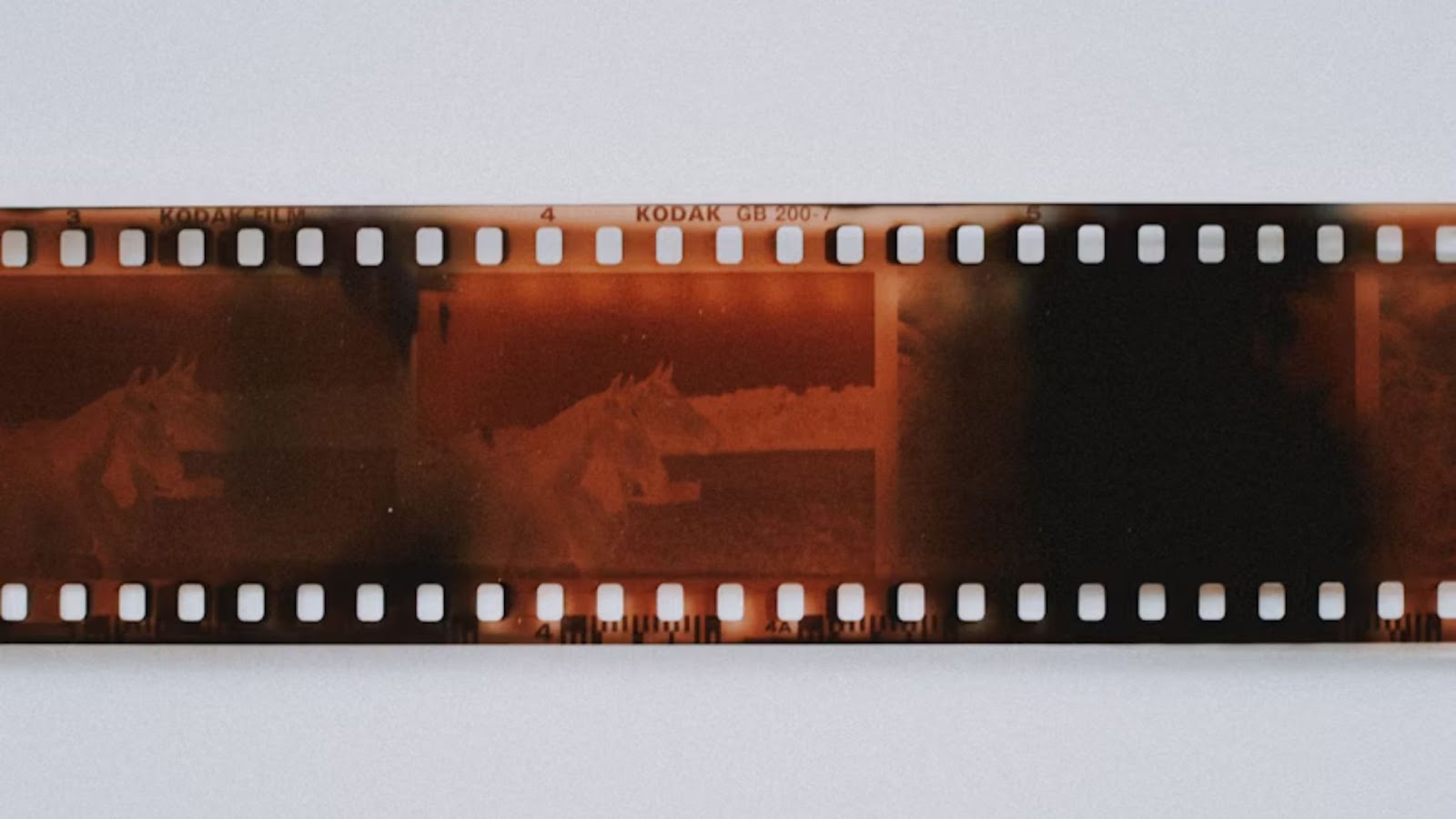
On the other hand, 35mm film has long been a staple in the photography world. It offers a more traditional and familiar format, with a larger negative size that provides excellent image quality and detail. The larger frame size allows for more flexibility in cropping and printing, giving you more creative control over your final images.
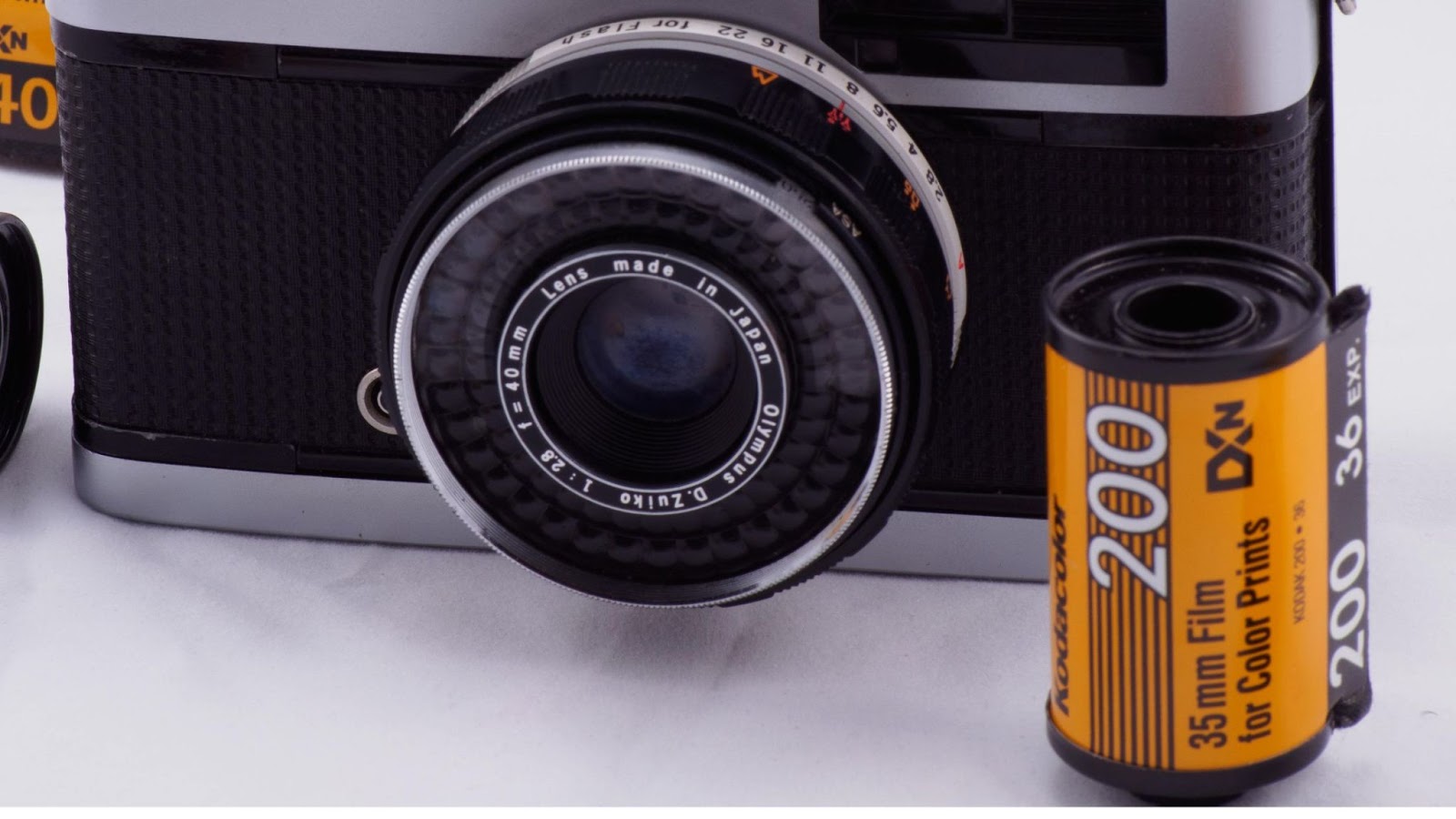
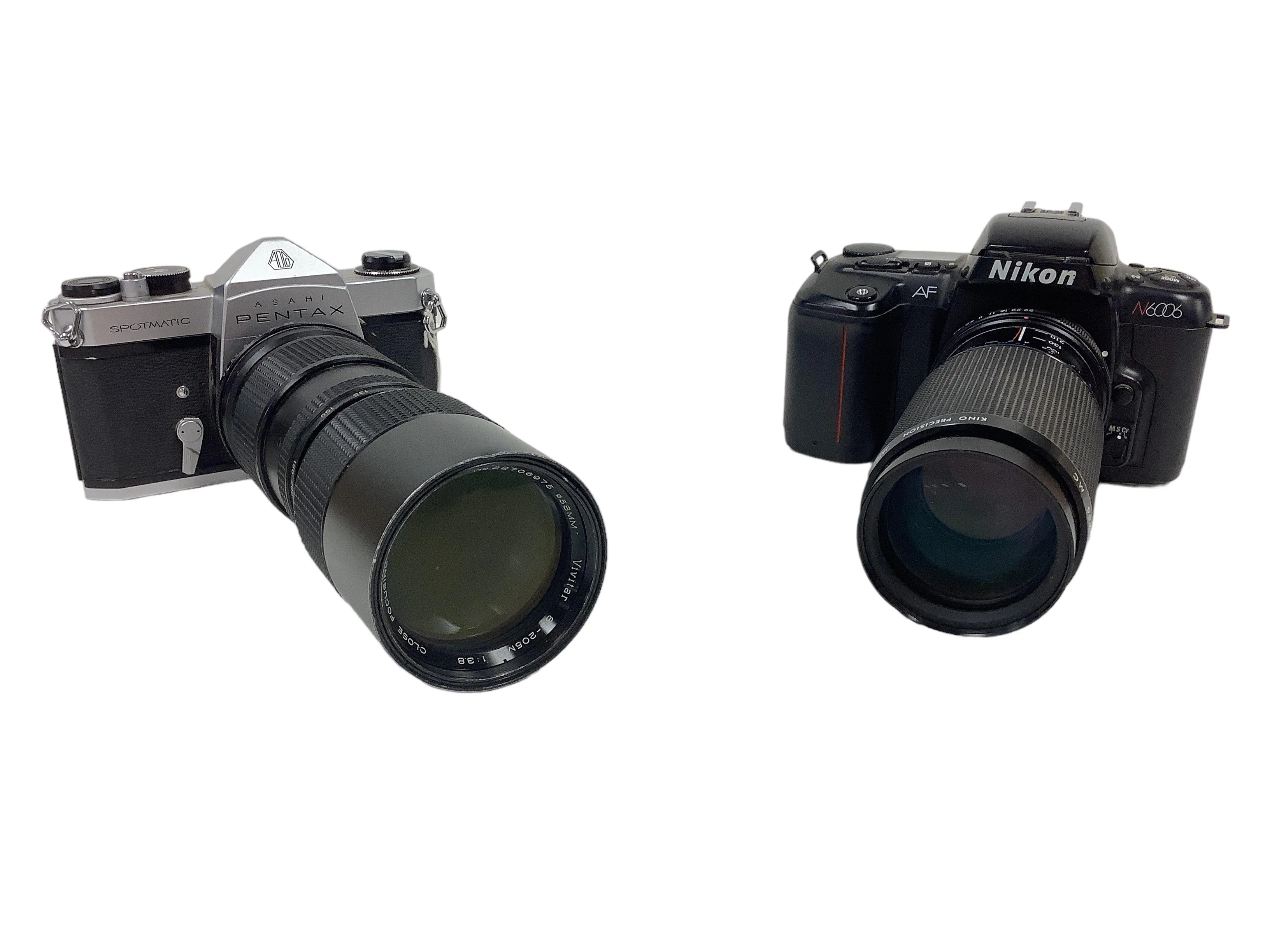
The 35mm format is often preferred by professionals and enthusiasts alike due to its widespread availability and compatibility with a vast range of cameras and lenses. It's a reliable choice for various genres, from portraiture and landscape photography to street and documentary work. With a standard 36-frame roll, you get a good balance between capturing enough shots and maintaining a manageable workflow.
Which One to Choose?
Ultimately, the decision between 16mm vs 35 mm camera formats comes down to personal preference and the style of photography you're drawn to. If you love the idea of capturing many moments, the intimacy of 16mm, and its versatility, it might be the perfect fit. On the other hand, if you value image quality, flexibility, and the classic appeal of 35mm, that's a solid choice too.
Both formats have their dedicated fans and unique strengths, so it's all about finding what resonates with you and your creative vision. Why not give both a try and see which one speaks to your inner photographer?