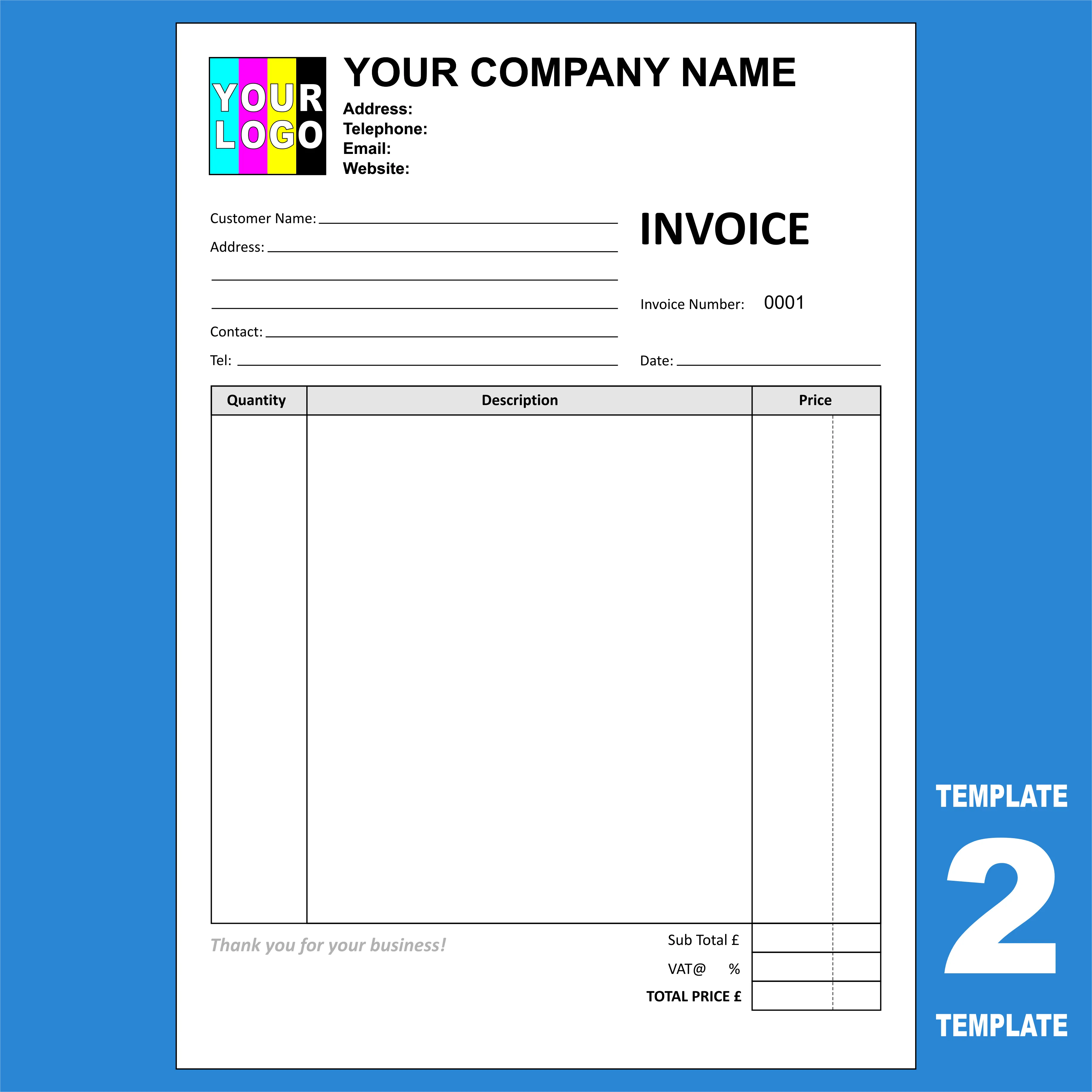
I was sitting at my desk, staring at a pile of paperwork, when it hit me: I needed a better word than "dummy invoice." It's not a phrase that rolls off the tongue, and it just sounds a bit, well, silly. So, I decided to find a more suitable term for these temporary invoices. Better word to use than dummy invoice, right?
You see, when you're setting up a new system or testing a process, you often need to create mock invoices or documents to ensure everything runs smoothly. These are like placeholders, giving you a chance to try things out without committing to the real deal. It's a common practice, but the term "dummy invoice" just doesn't quite cut it.
So, what are these temporary invoices really? They're essentially drafts, or prototypes, of the real invoices. They help you visualize and test the layout, the flow of information, and any potential issues before you send out the official documents. It's a vital step in any business's process, especially when you're dealing with sensitive financial data.
A New Term: Draft Invoices
I like to think of these as "draft invoices." It's a simple, straightforward term that conveys the purpose clearly. A draft is something you work on, revise, and refine before it becomes the final product. It's a familiar concept, and it fits well with the nature of these temporary invoices.
Using "draft invoices" also helps to emphasize the iterative process. You're not just creating a dummy; you're crafting a refined version, a step closer to the real thing. It adds a bit of professionalism and accuracy to the process, which is always a good thing.
Practical Benefits
By using "draft invoices," you're also setting a clear expectation. It's a signal to your team or clients that this is a work-in-progress, a test run. It encourages feedback, suggestions, and a collaborative approach. It's a small change, but it can make a big difference in how your team perceives and engages with these temporary documents.
So, next time you need to create a mock invoice, give "draft invoices" a go. It's a simple switch, but it might just make your work life a little bit smoother. And who doesn't want that?


![Free Printable Invoice Templates [Excel, Word, PDF] & Blank Download](/editor?img=https%3A%2F%2Fwww.typecalendar.com%2Fwp-content%2Fuploads%2F2023%2F06%2FBlank-PDF-Invoice-Template.jpg%3Fgid%3D665&from=better-word-to-use-than-dummy-invoice)


