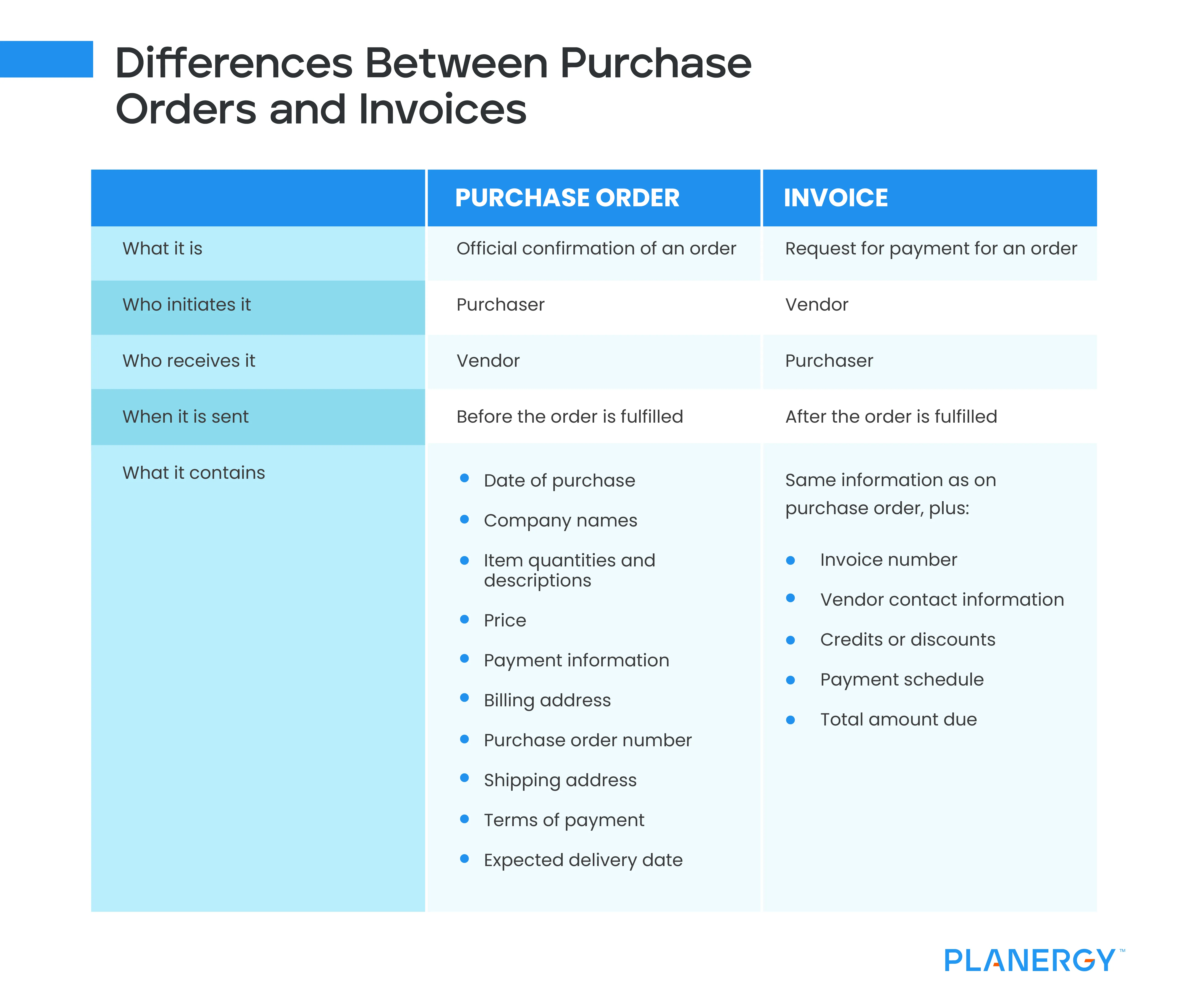
Hey, have you ever noticed how many different terms are used in the world of business and finance? It can be a bit confusing, especially when you're trying to keep track of your finances and understand the paperwork. So, let's talk about the difference between invoice vs SOA and clear up any confusion!
An invoice and a Statement of Account (SOA) are both important documents in business transactions, but they serve different purposes and have distinct functions. An invoice is like a detailed receipt; it's a document that a seller issues to a buyer, outlining the goods or services provided, their quantities, prices, and any applicable taxes. It's a request for payment and a record of the transaction. On the other hand, an SOA is a periodic summary of your account activity, often sent by a service provider or supplier. It shows the balance of your account, any payments made, outstanding amounts, and sometimes a breakdown of services or goods purchased.
All About Invoices
Invoices are typically sent after a transaction is complete and are used to initiate the payment process. They provide a clear picture of what was purchased, when, and for how much. Invoices are crucial for both parties; they ensure the seller gets paid for their goods or services and provide the buyer with a record of their purchase and any associated costs. Invoices are often used for tax purposes and can be essential for expense tracking and budgeting.
Statement of Account (SOA) Explained
An SOA, or Statement of Account, is more of a regular check-in on your account status. It's like a financial snapshot, giving you an overview of your account's health. SOAs are particularly useful for ongoing services or long-term business relationships, where multiple transactions and payments are made over time. They help both parties keep track of the account's balance and any outstanding amounts, ensuring everyone is on the same page financially.
Practical Differences
While both documents are important, they serve different stages of a transaction. Invoices are more immediate, focusing on a specific transaction and its payment. SOAs, on the other hand, provide a broader view, summarizing account activity over a period of time. Invoices are often sent after a sale, while SOAs are periodic, sent at regular intervals (monthly, quarterly, etc.) or upon request.
So, next time you see these terms, you'll know exactly what they mean and how they differ! Understanding these documents is key to keeping your finances organized and your business relationships smooth.


![Difference Between Proforma Invoice and Account Sales [2025]](/editor?img=https%3A%2F%2Fwww.gimbooks.com%2Fblog%2Fcontent%2Fimages%2F2025%2F01%2FDIFFERENCE-BETWEEN-PROFORMA-AND-ACCOUNT-SALES.png&from=difference-between-invoice-vs-soa)


![Difference Between Proforma Invoice and Account Sales [2025]](/editor?img=https%3A%2F%2Fwww.gimbooks.com%2Fblog%2Fcontent%2Fimages%2Fsize%2Fw2000%2F2025%2F01%2Fdifference-between-proforma-invoice-and-account-sales.png&from=difference-between-invoice-vs-soa)


