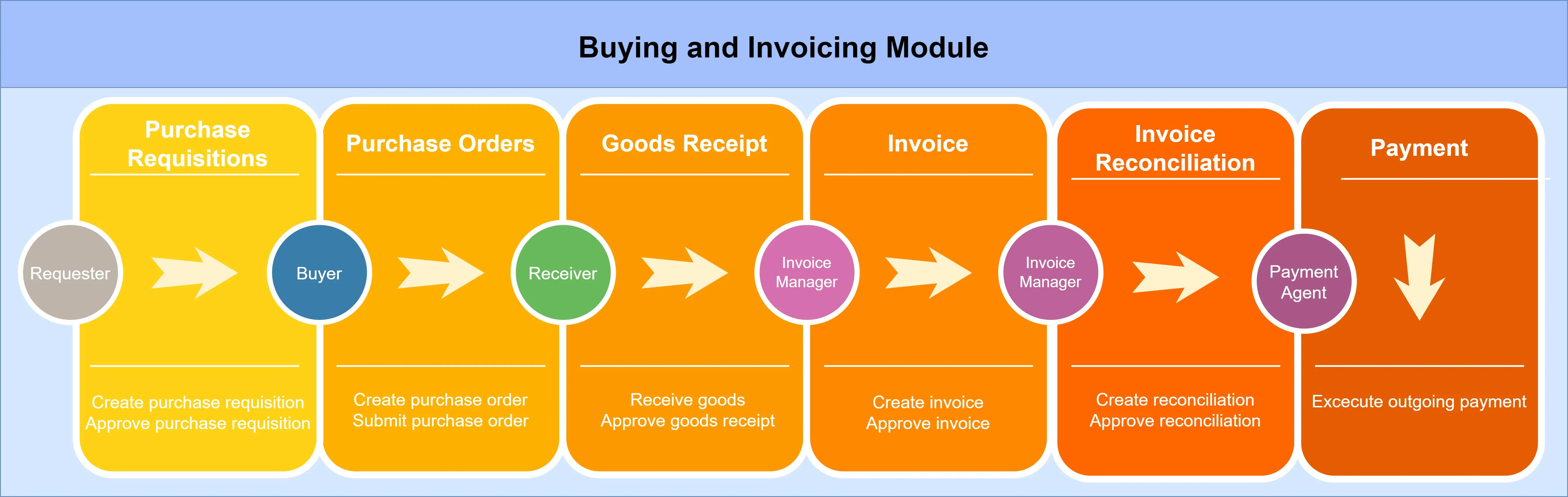
Invoice and billing table SAP—it's a mouthful, I know. But stick with me, and we'll break it down into something more manageable.
So, you might be wondering, what's the deal with this? Well, invoice and billing table SAP is essentially a system used by businesses to manage their invoicing and billing processes. It's a tool to keep track of all the financial transactions and ensure smooth operations. Think of it as a digital ledger, but way more advanced and tailored to a company's specific needs.
This system is designed to handle the nitty-gritty details of billing, like calculating taxes, applying discounts, and generating invoices with all the necessary info. It's like having a super-organized accountant who never makes mistakes and works at lightning speed. And the best part? It integrates seamlessly with other business processes, making it a powerful tool for efficient management.
Understanding the Basics
At its core, invoice and billing table SAP is a database. It stores all the crucial information related to billing, like customer details, product or service data, and pricing. This data is then used to create accurate invoices, which are essential for maintaining healthy cash flow and keeping customers happy. The system also allows for easy tracking of payments, ensuring that no invoice goes unpaid and no customer gets overlooked.
Benefits and Practical Use
The beauty of this system is its ability to streamline processes. With everything in one place, businesses can save time and reduce the risk of errors. It's especially useful for companies with complex billing structures or those dealing with multiple currencies and tax rates. And let's not forget the importance of accurate records—this system provides an audit trail, which is a godsend during tax season or when resolving disputes.
So, there you have it—a simple breakdown of invoice and billing table SAP. It might not be the most exciting topic, but it's an essential part of keeping a business running smoothly. If you're a business owner, it might be worth exploring further to see how it could benefit your operations.


