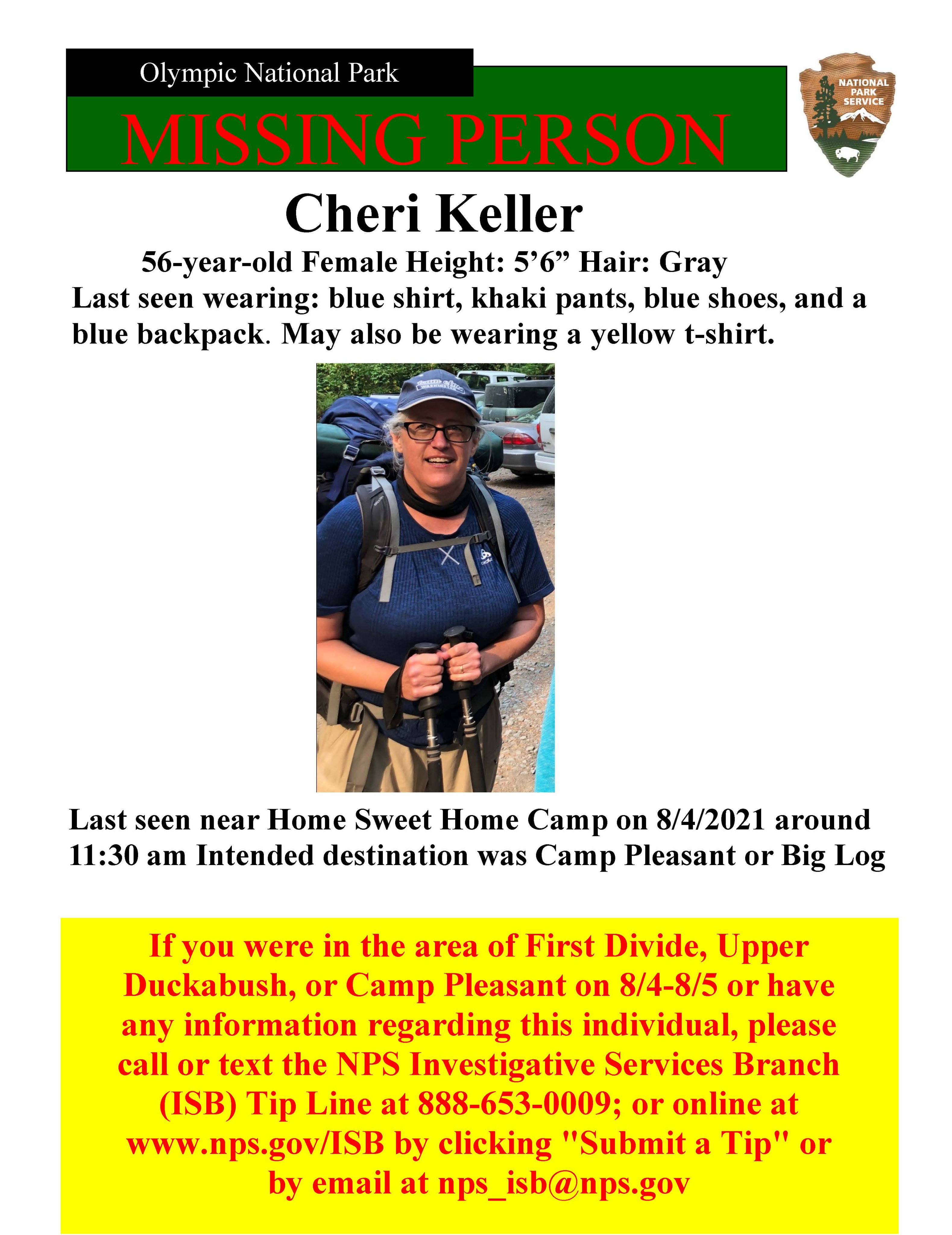
I was hiking in Olympic National Park recently, and it got me thinking about all the stories I've heard over the years about missing hikers. Olympic National Park missing hiker cases always seem to capture the public's attention, so I wanted to explore this topic a bit further and share some thoughts.
So, what does it mean when we hear about a missing hiker in Olympic National Park? Well, it's exactly what it sounds like - someone who has gone hiking in the park and hasn't returned or been located. These cases can range from a simple miscommunication or a hiker getting lost, to more serious situations involving injuries or getting stranded in harsh conditions.
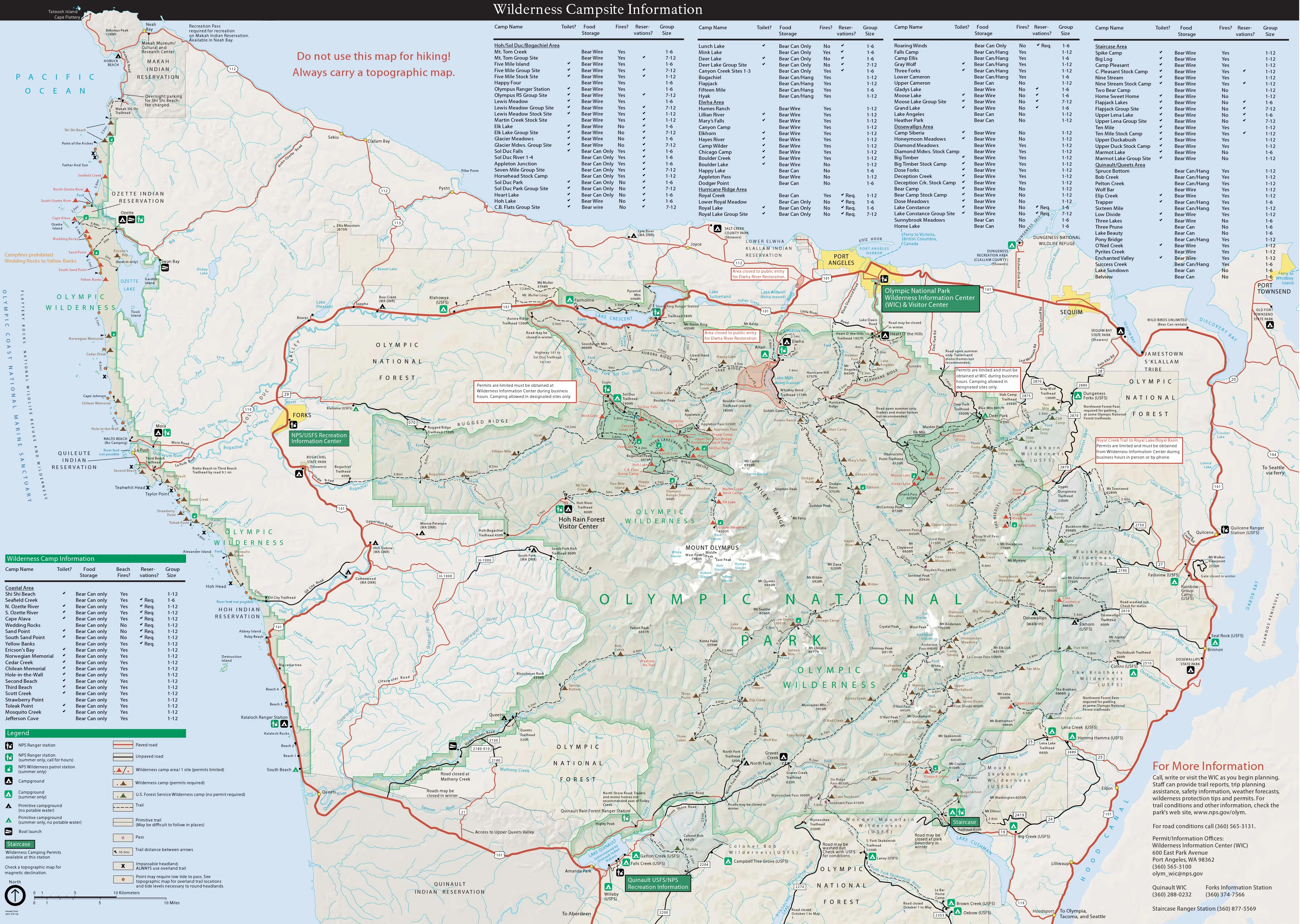
The park's vast and diverse landscape, with its rugged mountains, dense forests, and dramatic coastline, can present unique challenges for hikers. It's a beautiful place, but it's also easy to see how someone could get into trouble if they're not prepared or if an unexpected situation arises.
The Reality of Missing Hikers
When a hiker goes missing, it often triggers a search and rescue operation. These operations can be complex and involve multiple agencies and volunteers. The search teams use various techniques, including tracking, aerial searches, and even K-9 units, to try and locate the missing person. It's a challenging and often dangerous job, but these teams are highly trained and dedicated to keeping visitors safe.
I think it's important to remember that these incidents can happen to anyone, regardless of experience level. Even the most seasoned hikers can find themselves in difficult situations. It's a reminder to always be prepared, carry the necessary equipment, and let someone know your plans before heading out. A simple mistake or a change in weather conditions can quickly turn a pleasant hike into a life-or-death situation.
Staying Safe in Olympic National Park
So, how can we stay safe and avoid becoming a Olympic National Park missing hiker statistic? Here are a few tips:
- Plan your hike thoroughly. Research the trail, check the weather forecast, and be aware of any potential hazards.
- Always carry essential gear, including a map and compass, a fully charged phone, a first-aid kit, and appropriate clothing and footwear.
- Let someone know your plans. Share your intended route, estimated return time, and any contact details for the search and rescue teams.
- Stay on marked trails and be aware of your surroundings. If you do get lost, try to stay put and conserve your energy until help arrives.
While we can't eliminate all risks, being prepared and aware can greatly reduce the chances of getting into trouble.
So, the next time you head out to explore the beauty of Olympic National Park, take a moment to appreciate the potential challenges and remember the importance of safety. It's a wonderful place to explore, but it's always best to be prepared!