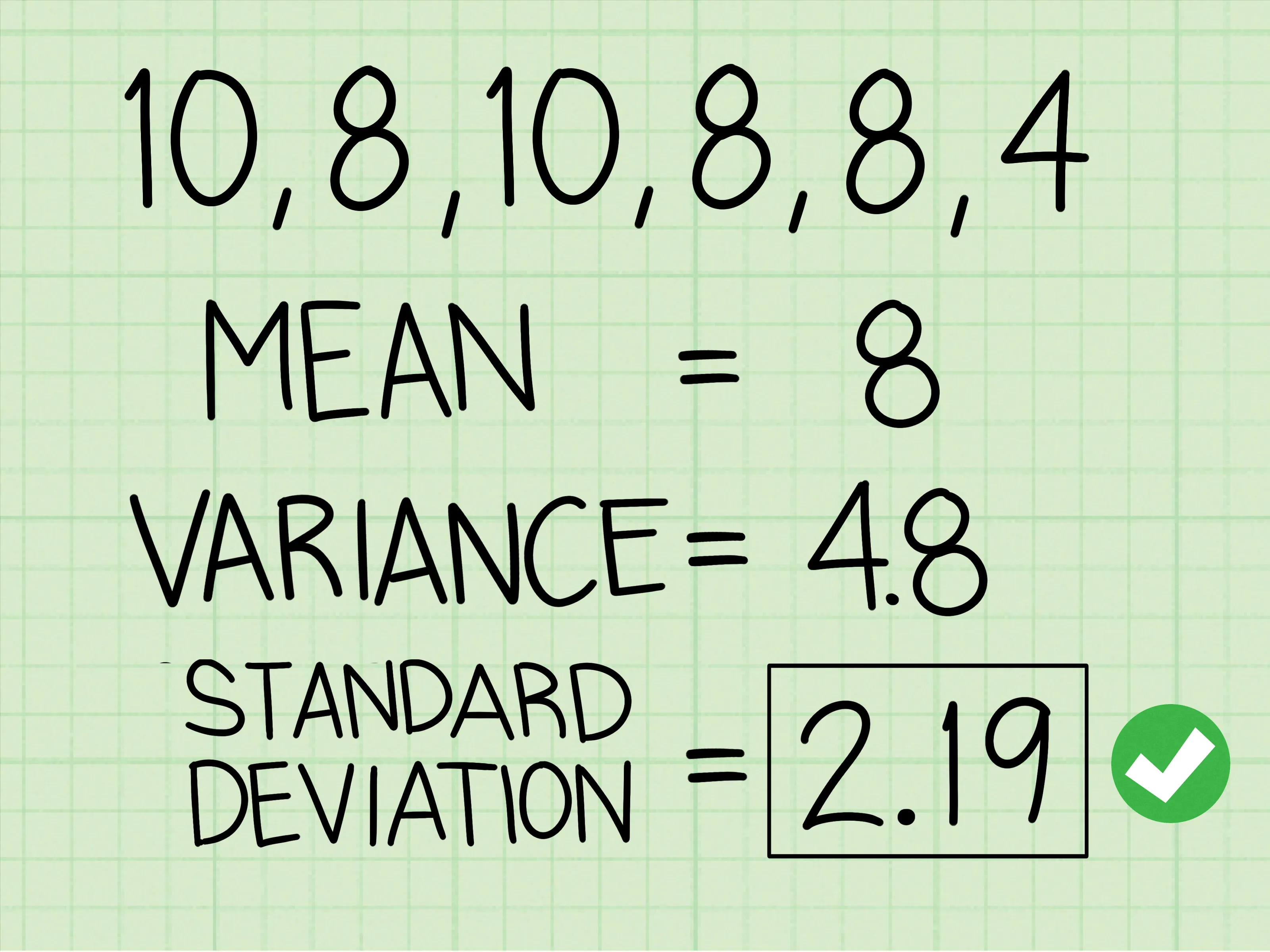
"RSD calculation in Excel" - it sounds like a mouthful, but trust me, it's a handy skill to have! I recently had to tackle this very thing, and let me tell you, it's not as scary as it seems. So, let's break it down and see how we can make this calculation a breeze.
What's the Deal with RSD?
RSD, or Relative Standard Deviation, is a statistical measure that helps us understand the variability of data in relation to its average. It's like a tool to gauge how consistent or spread out our numbers are. And guess what? Excel can do all the heavy lifting for us!
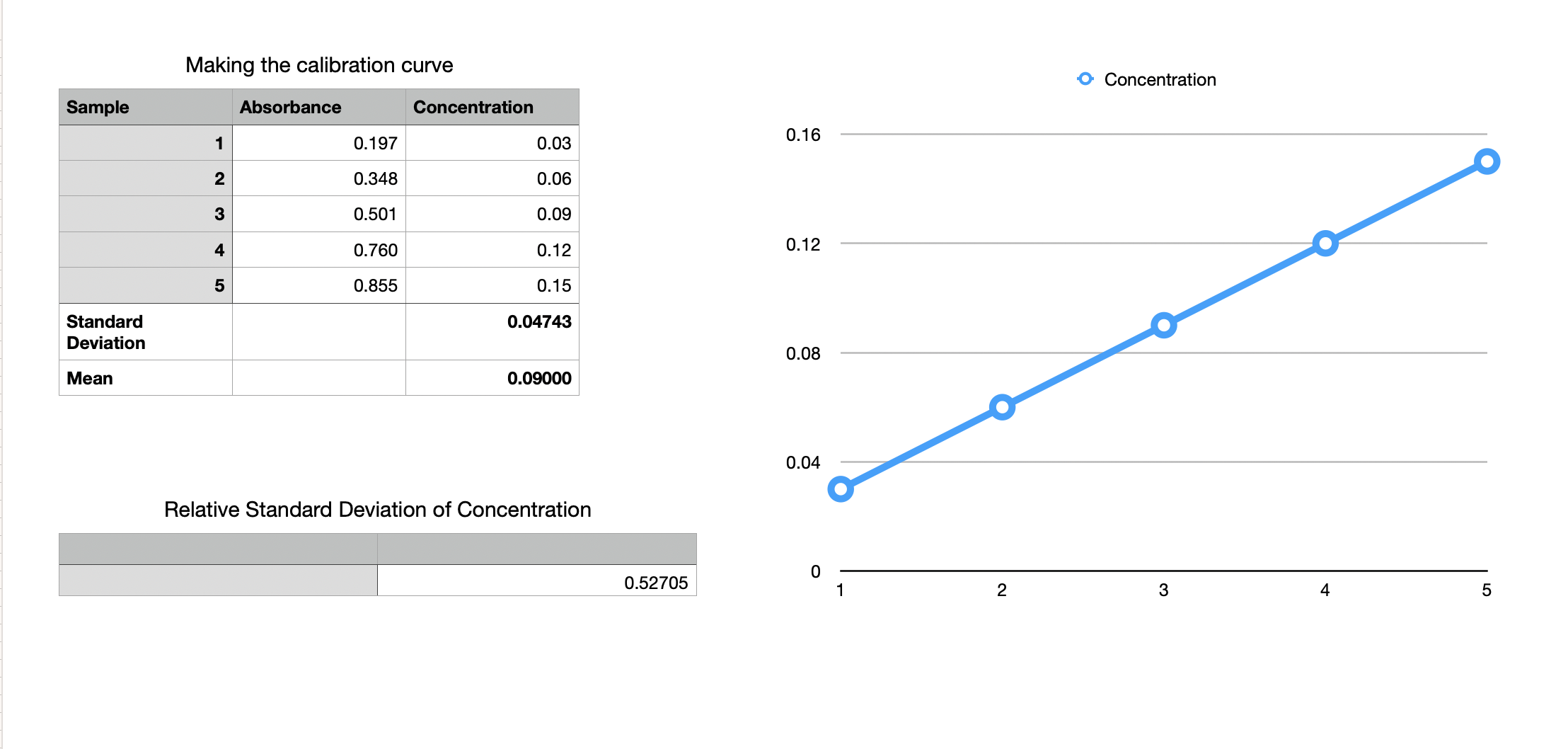
To calculate RSD in Excel, you simply need to input your data, apply a formula, and voilà! You get a value that represents the relative variability. It's a straightforward process once you get the hang of it.
Why Bother with RSD?
Well, RSD is particularly useful when we want to compare different sets of data. It gives us a standardized measure, so we can easily see which data set is more consistent or variable. For example, if you're tracking sales figures for different products, RSD can help you identify which products have the most consistent sales performance.
Step-by-Step Guide: RSD Calculation
Now, let's dive into the practical side. Here's a simple guide to calculating RSD in Excel:
Organize your data in a column. Make sure it's neat and tidy, with no missing values.
Calculate the standard deviation using the STDEV.P function (for a population) or STDEV.S (for a sample).
Find the average (mean) of your data using the AVERAGE function.
Divide the standard deviation by the average, and then multiply by 100 to get the RSD as a percentage.
A Real-Life Example
Let's say you're a teacher grading exams. You want to understand the consistency of scores across different classes. By calculating RSD, you can quickly see which class had the most consistent performance, helping you identify any potential issues or outliers.
So, there you have it! RSD calculation in Excel is a powerful tool for analyzing data. It might seem complex at first, but with a bit of practice, you'll be a pro in no time. Give it a go, and let me know how you get on!


%3Amax_bytes(150000)%3Astrip_icc()%2FSTDEV_Overview-5bd0de31c9e77c005104b850.jpg&from=rsd-calculation-in-excel)


%3Amax_bytes(150000)%3Astrip_icc()%2FStandard-Deviation-ADD-SOURCE-e838b9dcfb89406e836ccad58278f4cd.jpg&from=rsd-calculation-in-excel)


