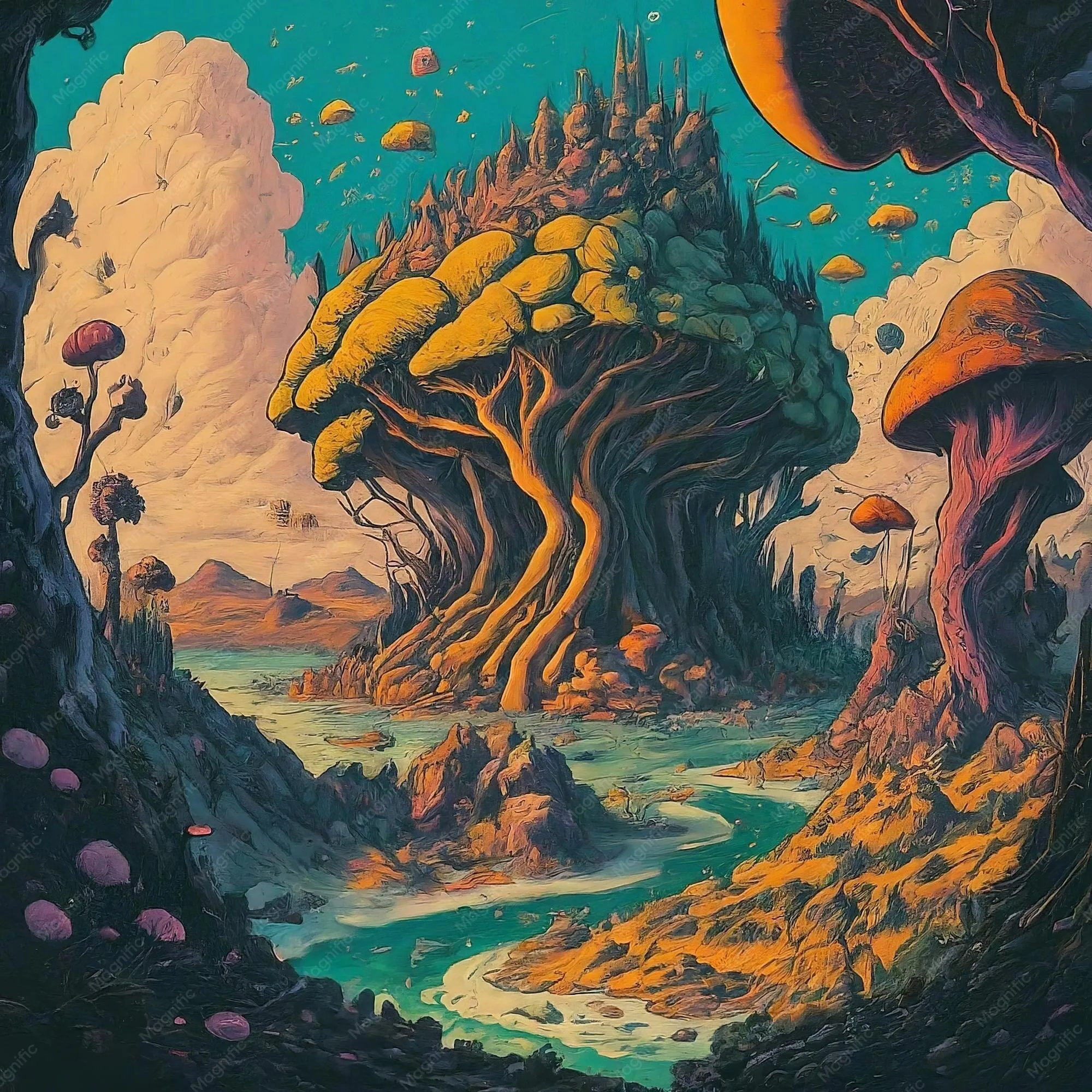
Vertical illustration is an art form that often goes unnoticed, but it's a real game-changer for visual storytelling and design. You might have seen it and not even realized it had a name! So, let's explore this unique style and uncover its potential.
Vertical illustration, simply put, is an artistic technique where the image is designed vertically, often with a tall, narrow format. It's a clever way to draw the eye and create a distinct visual impact. This style is perfect for adding a unique twist to your artwork, especially when you want to emphasize height, create a sense of movement, or showcase intricate details. Think of it as a way to make your illustrations stand out and grab attention.
A Versatile Tool
Vertical illustration has a wide range of applications. It's not just for art's sake; it's a practical choice for many designers and artists. For instance, it's a great fit for book covers, where the vertical format can enhance the overall aesthetic and make the book more visually appealing on a shelf. It's also perfect for social media posts, especially on platforms like Instagram or Pinterest, where vertical content performs better and catches the scrolling eye.
But it's not just about aesthetics. Vertical illustration can also be used to tell a story or convey a message effectively. By utilizing the vertical space, artists can guide the viewer's eye and create a narrative flow that engages and captivates. It's a subtle but powerful way to influence how people interpret and interact with your artwork.
Practical Tips
If you're keen to try your hand at vertical illustration, here are a few tips to get you started:
Composition: Play with different compositions to find what works best. You might want to focus on a single subject, emphasizing their height or movement, or create a busy scene that draws the eye up and down.
Details: Use the vertical space to showcase intricate details. Whether it's a tall building, a forest, or a character's full stature, the vertical format allows you to reveal more and create a sense of depth.
Color and Contrast: Consider how color and contrast can enhance your illustration. A bold, vertical color gradient, for example, can add a real wow factor and draw attention to specific elements.
Final Thought
Vertical illustration is an exciting technique that offers a fresh perspective. It's a great way to add variety to your artwork and a unique skill to have in your creative arsenal. So, why not give it a go and see where your imagination takes you? You might just discover a new favorite style!


%3Amax_bytes(150000)%3Astrip_icc()%2FVertical-integration-7a31b884b9564a139c5ec2f7885ff3f0.jpg&from=vertical-illustration)


