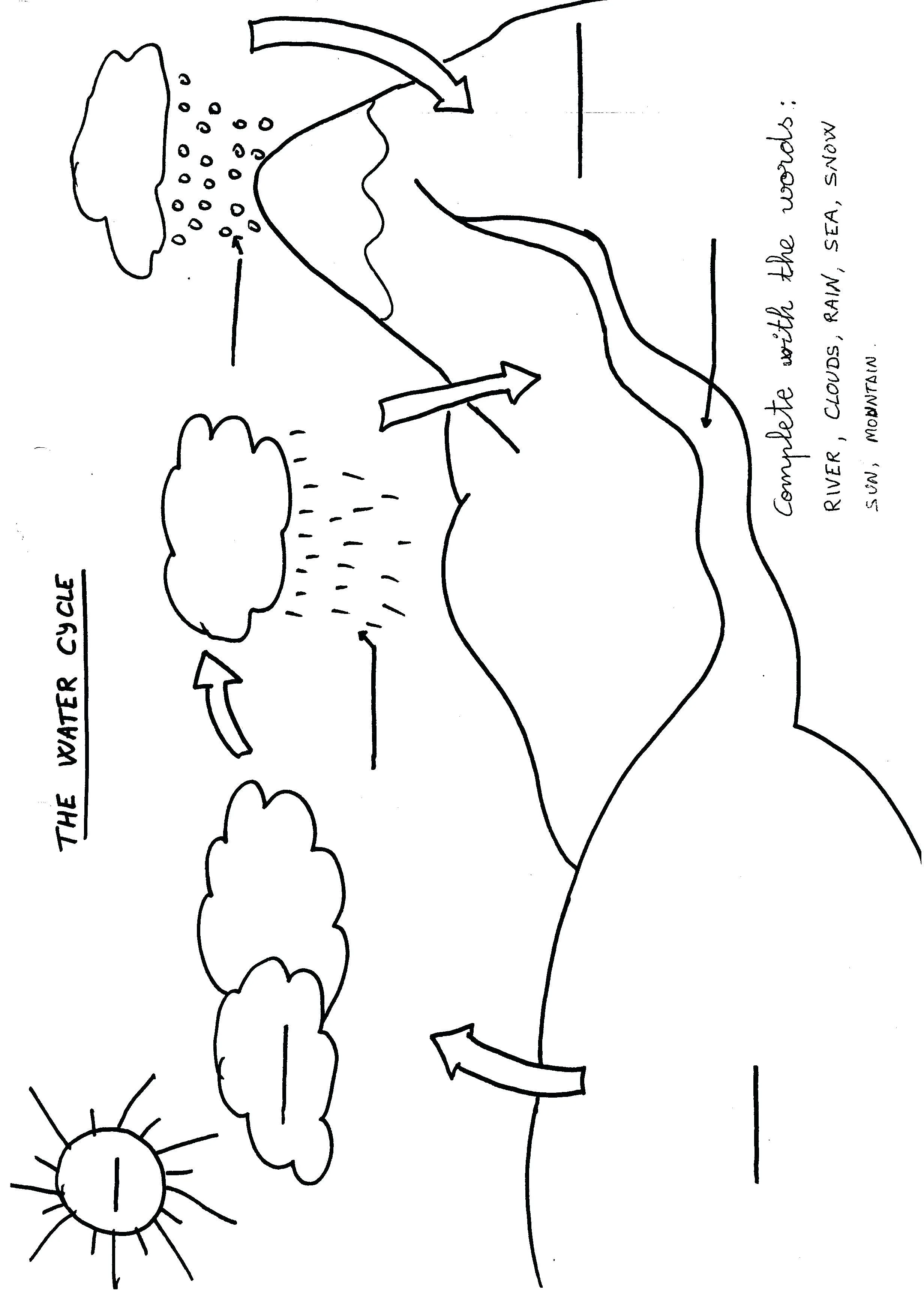
Hey, have you ever stopped to think about the water cycle and how it's a fascinating natural process? It's pretty cool, right? Well, if you're looking to dive a little deeper and learn more, I recently discovered these water cycle labeling worksheets, and they're a great way to get a better understanding of the whole thing.
So, what exactly are these worksheets? They're basically educational tools designed to help you, or your kids, learn and interact with the water cycle process. You get a diagram or illustration of the water cycle, and then you have to label the different stages and processes, like evaporation, condensation, and precipitation. It's a fun and visual way to grasp the concept and see how water moves and changes in our environment.
The great thing about these worksheets is that they're accessible and can be used by anyone. Whether you're a student, a parent, or just someone curious about the world, these worksheets offer a simple and effective way to learn. You can find them online or even create your own with some basic art supplies. It's a hands-on activity that makes learning about the water cycle engaging and memorable.
Breaking it Down: The Water Cycle Process
The water cycle is a continuous process, and these worksheets often break it down into key stages. You'll typically find sections for evaporation, where water from oceans, lakes, and even plants turns into water vapor and rises into the atmosphere. Then there's condensation, where the water vapor cools and forms clouds. Precipitation follows, which is when the water falls back to Earth as rain, snow, or hail. And finally, there's the collection stage, where the water returns to the oceans, lakes, or groundwater, starting the cycle all over again.
Benefits of Learning the Water Cycle
Understanding the water cycle is not just an academic exercise. It helps us appreciate the importance of water in our lives and the environment. It also teaches us about the interconnectedness of natural processes and how small changes can have big impacts. For example, learning about evaporation and condensation can lead to discussions about climate and weather patterns, and how human activities can influence these processes.
So, if you're looking for a fun and educational activity, give water cycle labeling worksheets a go. It's a simple yet effective way to learn and engage with a vital natural process. And who knows, you might just find yourself more aware of the water cycle in your everyday life!


![Water Cycle Coloring Pages Preschool [2025]](/editor?img=https%3A%2F%2Fi.etsystatic.com%2F20248685%2Fr%2Fil%2Fb58c94%2F5462066903%2Fil_1080xN.5462066903_hhg6.jpg&from=water-cycle-labeling-worksheet)


