Hey, I've been thinking about what are the difference between SOA and invoice lately, and it's actually pretty interesting. I mean, we all deal with invoices, right? But SOA, now that's a term that might need some explaining. So, let's break it down and see what we're dealing with here.
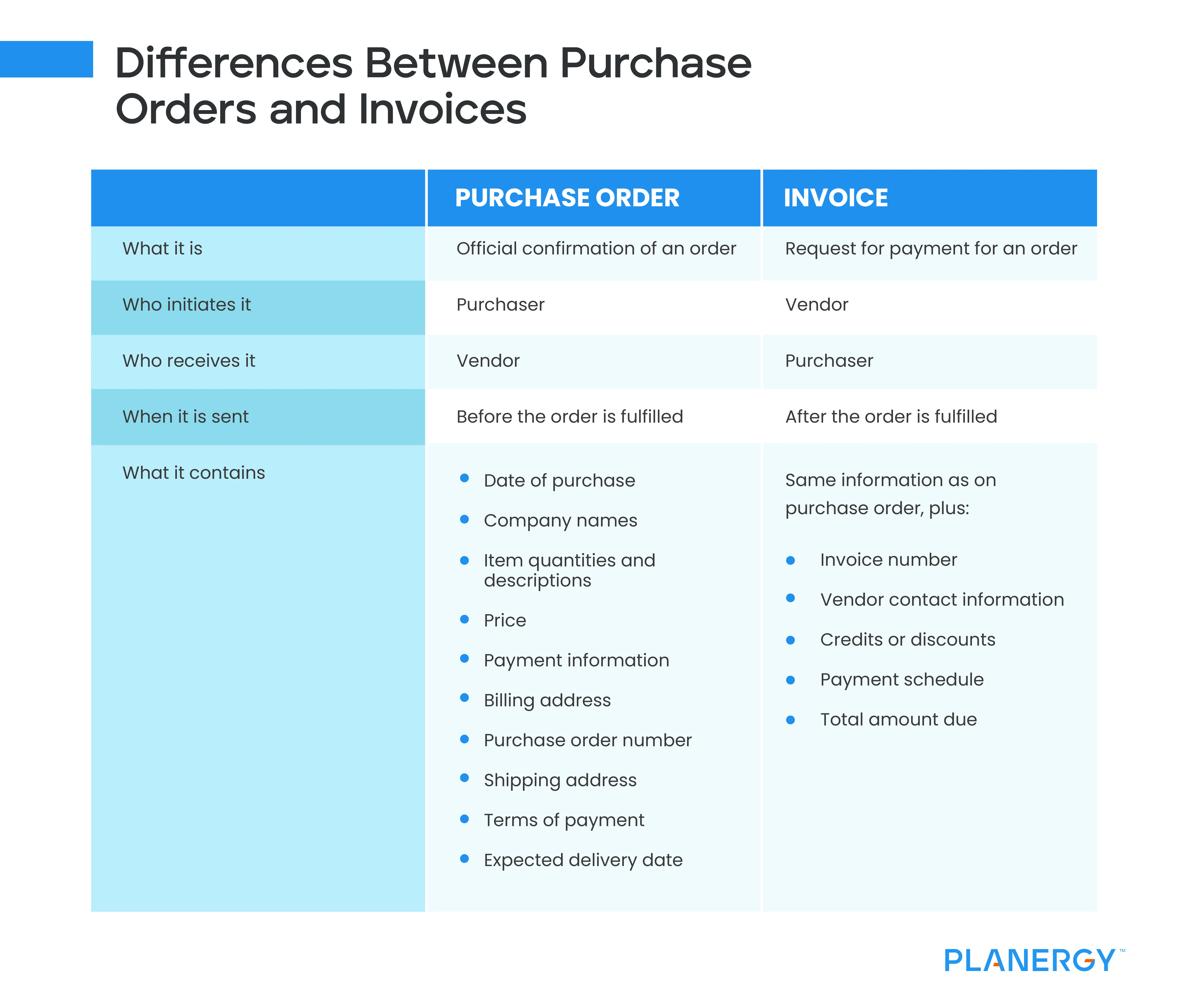
SOA stands for Statement of Account, and it's a document that provides an overview of your financial transactions with a particular company or service provider. Think of it as a detailed report of your financial relationship with a business. On the other hand, an invoice is a more specific request for payment, usually for goods or services rendered. It's a straightforward ask for money, with a clear amount due and often a due date.
The key difference is in the level of detail and purpose. An invoice is typically sent after a transaction, requesting payment for a specific product or service. It's a one-time thing, focusing on a single transaction. An SOA, however, is a broader document, providing an ongoing record of your financial history with a company. It might include multiple invoices, credits, and adjustments, giving you a bigger-picture view of your financial relationship.
The Practical Side
So, why does this matter? Well, for one, SOAs can be really useful for keeping track of your spending and understanding your financial commitments. They provide a comprehensive overview, which can be especially helpful for businesses or individuals with complex financial arrangements. Invoices, on the other hand, are more immediate and action-oriented. They prompt you to make a payment and are often the first step in the billing process.
When to Use What
The choice between an SOA and an invoice depends on the context and your needs. If you're a business owner, you might send an SOA to a long-term client to provide a clear picture of their financial history with your company. It can help with billing transparency and might even encourage timely payments. For one-off transactions or short-term projects, however, an invoice is likely more appropriate. It's simple, direct, and gets the job done.
In the end, it's all about understanding your financial communications and using the right tool for the job. Whether you're a business owner or an individual, knowing the difference between SOAs and invoices can help you manage your finances more effectively.


![Sales order vs. purchase order [+ free template] | Zapier](/editor?img=https%3A%2F%2Fimages.ctfassets.net%2Flzny33ho1g45%2F3ve7dkPz4oR2YQ373rbuEV%2Fe19324c4d7d17bf8fdd6efc538b9cac7%2Fsales-documentation-comparison.png&from=what-are-difference-between-soa-and-invoice)
![Difference Between Proforma Invoice and Account Sales [2025]](/editor?img=https%3A%2F%2Fwww.gimbooks.com%2Fblog%2Fcontent%2Fimages%2Fsize%2Fw2000%2F2025%2F01%2Fdifference-between-proforma-invoice-and-account-sales.png&from=what-are-difference-between-soa-and-invoice)


