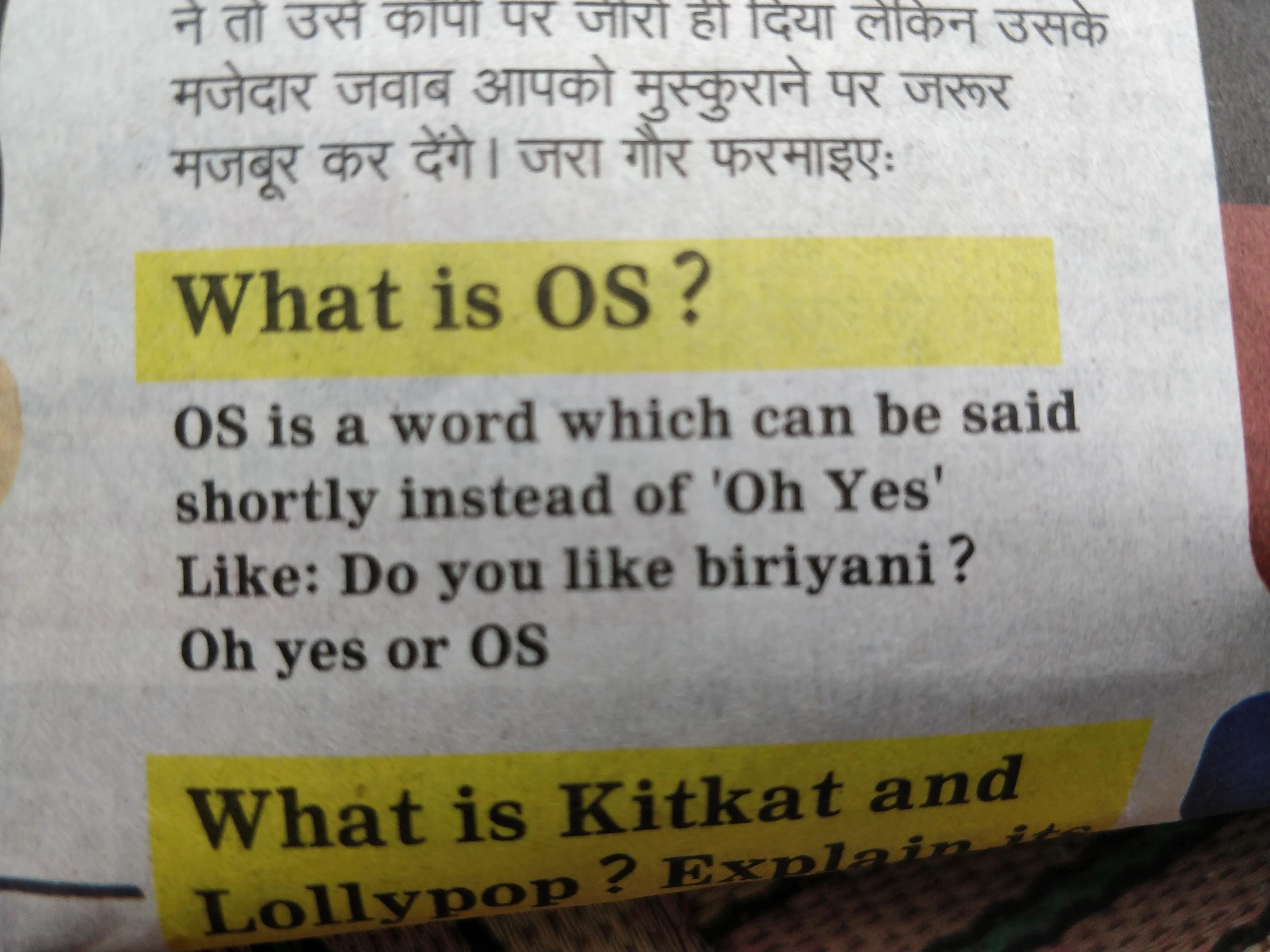
So, I was reading a script the other day, and I came across this mysterious abbreviation: os. I had no idea what it meant, and it got me curious. Turns out, it's a pretty common term in the world of scripting, and I thought, hey, there might be others out there like me who'd appreciate a simple explanation. So, let's demystify this!
What's the Deal with os?
Os is short for "off screen." It's a simple but powerful tool used in scripts to indicate actions or events that happen off the main stage or screen, so to speak. Think of it as a way to describe what's happening beyond the immediate focus of the scene. It's a handy way for writers to give context and add depth to a story without actually showing it all on screen.
When you see os in a script, it's like a little note from the writer, giving you a sneak peek into what's going on behind the scenes. It might be a character's reaction to something off-camera, an important event happening elsewhere, or even just a description of the environment beyond the frame. It's a way to keep the audience informed and engaged, even when the action isn't directly in front of them.
Practical Uses
Imagine a scene where two characters are having an intense conversation. The script might include os directions to indicate a third character entering the room and listening from the shadows. This adds an element of suspense and reveals that there's more going on than meets the eye. Or, it could be used to describe the weather outside, setting the mood and atmosphere without taking up valuable screen time.
Keeping It Real
Using os effectively is an art. It's a delicate balance between providing enough information to enhance the story and avoiding excessive detail that might slow down the pace. It's a tool to keep the narrative moving forward, adding layers of depth and context without overwhelming the audience.
So, the next time you're reading a script and you spot os, you'll know it's a little window into the world beyond the immediate action. It's a reminder that there's always more to the story than what's right in front of you.


