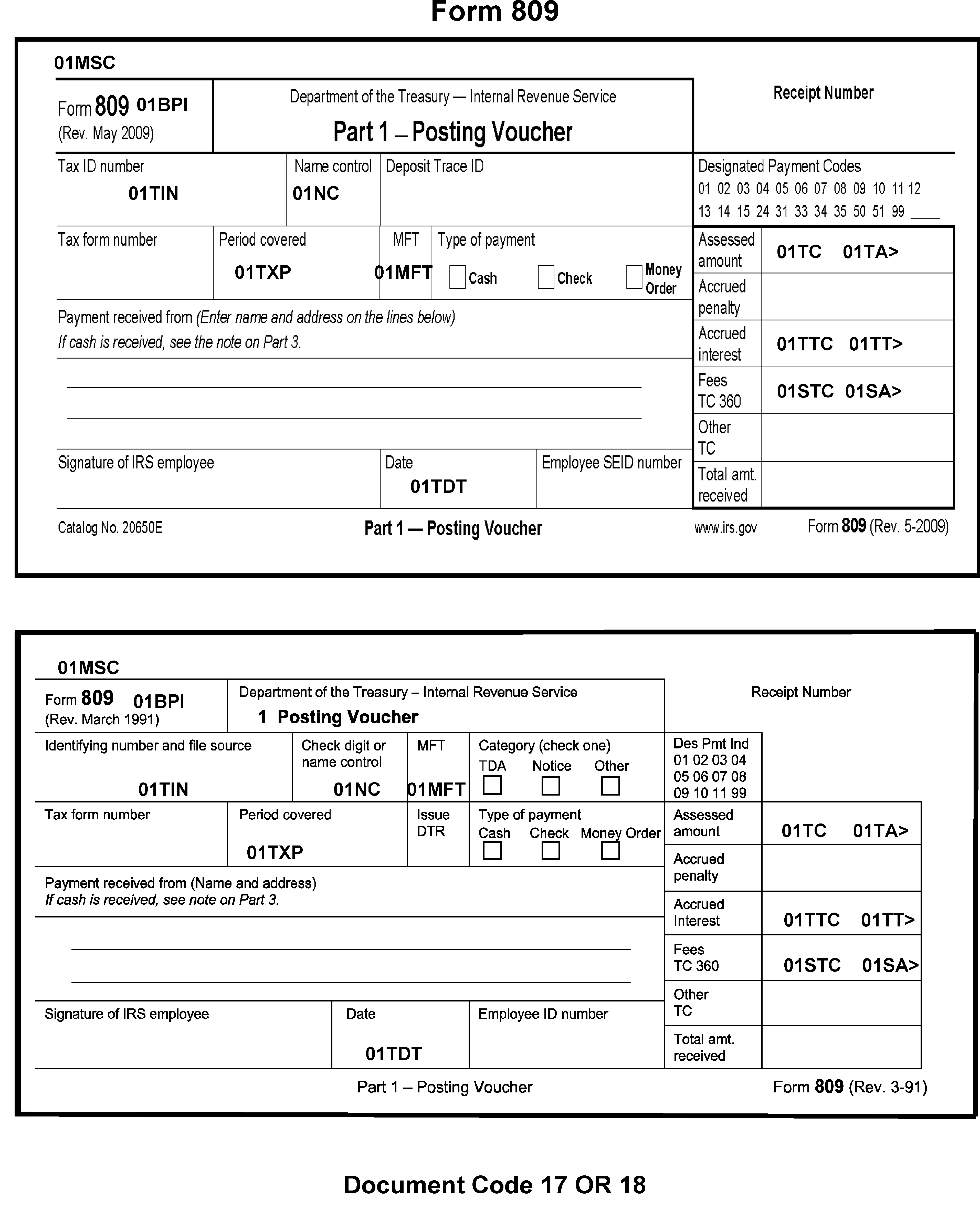
I hate it when I can't find a simple, clear example of something online. Like, when I search for xml tax receipt example, I just want to see what it looks like, right? But often, it's a bit of a hunt to find a straightforward answer. So, let's demystify this and take a look at what an XML tax receipt is all about.
What's the Deal with XML Tax Receipts?
XML stands for Extensible Markup Language, and it's a way of structuring data so that it can be easily read and understood by computers. In the context of tax receipts, XML is used to create a standardized format for storing and sharing financial information. So, an xml tax receipt example is basically a digital receipt that follows a specific XML structure, making it super organized and machine-readable.
This XML structure ensures that all the necessary details, like the date, amount, and purpose of the transaction, are included in a consistent manner. It's like having a neat, labeled box for each piece of information, making it simple to access and understand. This is especially useful for businesses and individuals who need to keep track of their expenses and receipts for tax purposes.
Why Use XML Tax Receipts?
Well, for one, it saves a lot of time and effort. With XML, you can quickly generate and organize your receipts, making tax season less of a headache. No more rummaging through piles of paper or trying to decipher handwritten notes. XML tax receipts are digital, so they're easy to store, search, and retrieve. Plus, they can be automatically generated by certain software or accounting systems, taking the manual work out of the process.
A Real-Life Scenario
Imagine you're a small business owner. You've been keeping track of your expenses manually, and it's a bit of a mess. You have receipts scattered everywhere, and some are even missing. Come tax time, you're stressed and overwhelmed. But, with XML tax receipts, you could have had a different story.
By using XML, you could have easily organized and stored your receipts digitally. Each receipt would have a unique XML file, containing all the necessary details. You could search and filter these receipts with ease, making it a breeze to prepare your tax return. No more panic attacks or late nights trying to find that one missing receipt!
So, there you have it—a simple, real-world example of how XML tax receipts can make life easier. It's all about efficiency and organization. If you're a business owner or someone who deals with a lot of financial transactions, it might be worth exploring XML receipts. It could save you a lot of hassle down the line!


