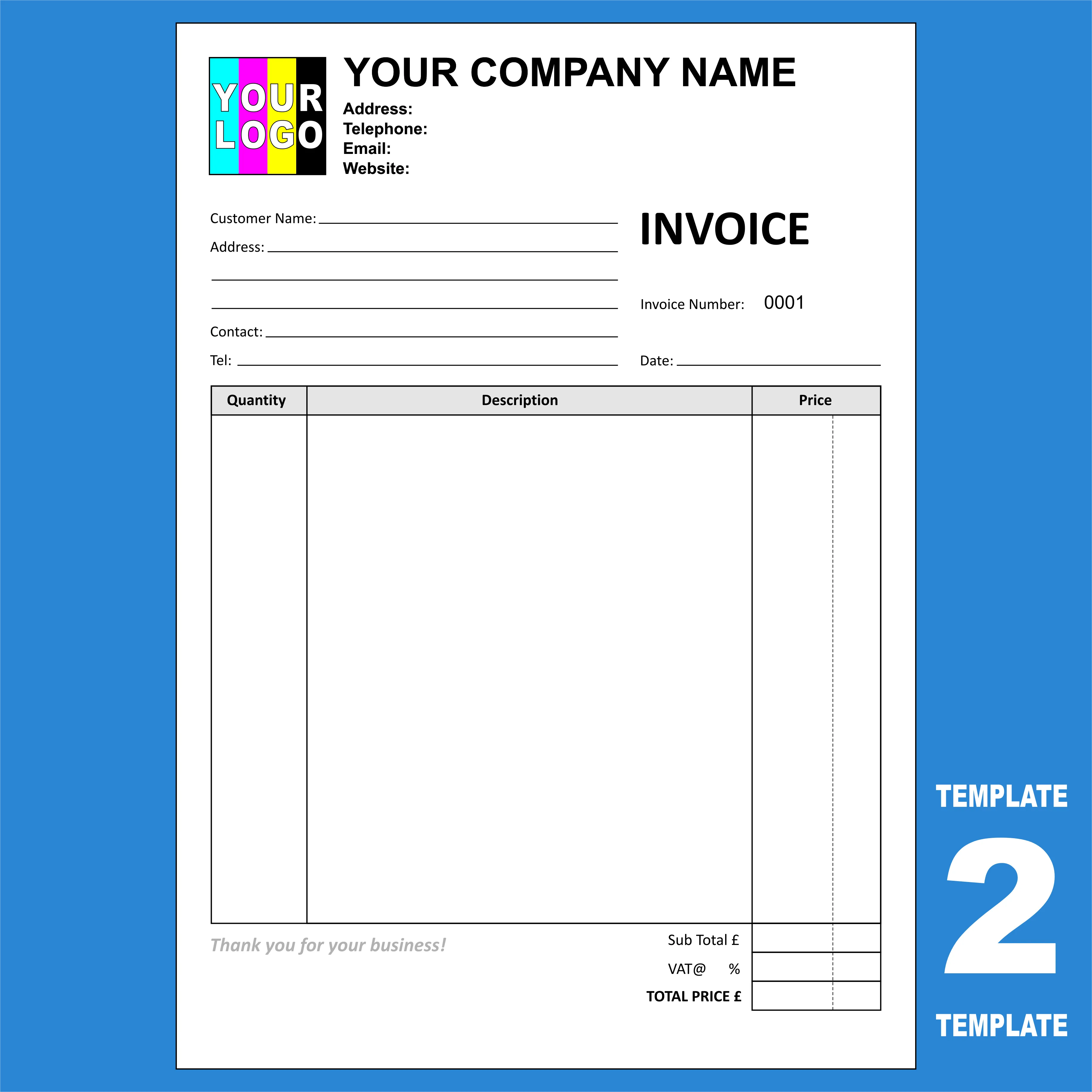
So, I was sorting through some old paperwork the other day and came across a stack of blank invoices. You know, those official-looking documents with all the spaces to fill in? I was wondering, what's the deal with them? Are they just sitting there, waiting to be filled out, or is there more to it? Let's find out.
Blank invoices are essentially pre-formatted documents designed for recording financial transactions. They provide a structured way to detail the sale or purchase of goods or services. Think of them as a template, a handy tool to make sure you don't miss any important details when creating an invoice. It's like having a ready-made framework, saving you time and ensuring accuracy.
These documents typically include sections for essential info like the invoice number, date, customer details, itemized list of products or services, quantities, prices, and any applicable taxes or discounts. Having all these elements organized in a standardized format makes it easier to track and manage financial records. It's a simple yet effective way to keep your business transactions in order.
A Practical Approach
When it comes to using blank invoices, the process is straightforward. You simply fill in the relevant details for each transaction. The beauty of having a pre-designed format is that it guides you through the process, ensuring you cover all the necessary bases. This is especially useful for small businesses or freelancers who might not have an accounting team to handle these details.
One of the key advantages of using blank invoices is consistency. By having a standardized format, you can ensure that all your financial records are organized in a similar manner. This makes it easier to refer back to previous transactions, compare data, and spot any discrepancies. It's a simple way to maintain a professional and organized approach to your business finances.
Final Thoughts
So, there you have it—a quick guide to blank invoices. They might seem like a small detail, but having these handy tools can make a real difference in how you manage your business's financial records. It's all about efficiency and organization. Next time you come across a stack of blank invoices, you'll know exactly what they're for and how to make the most of them. Happy organizing!


