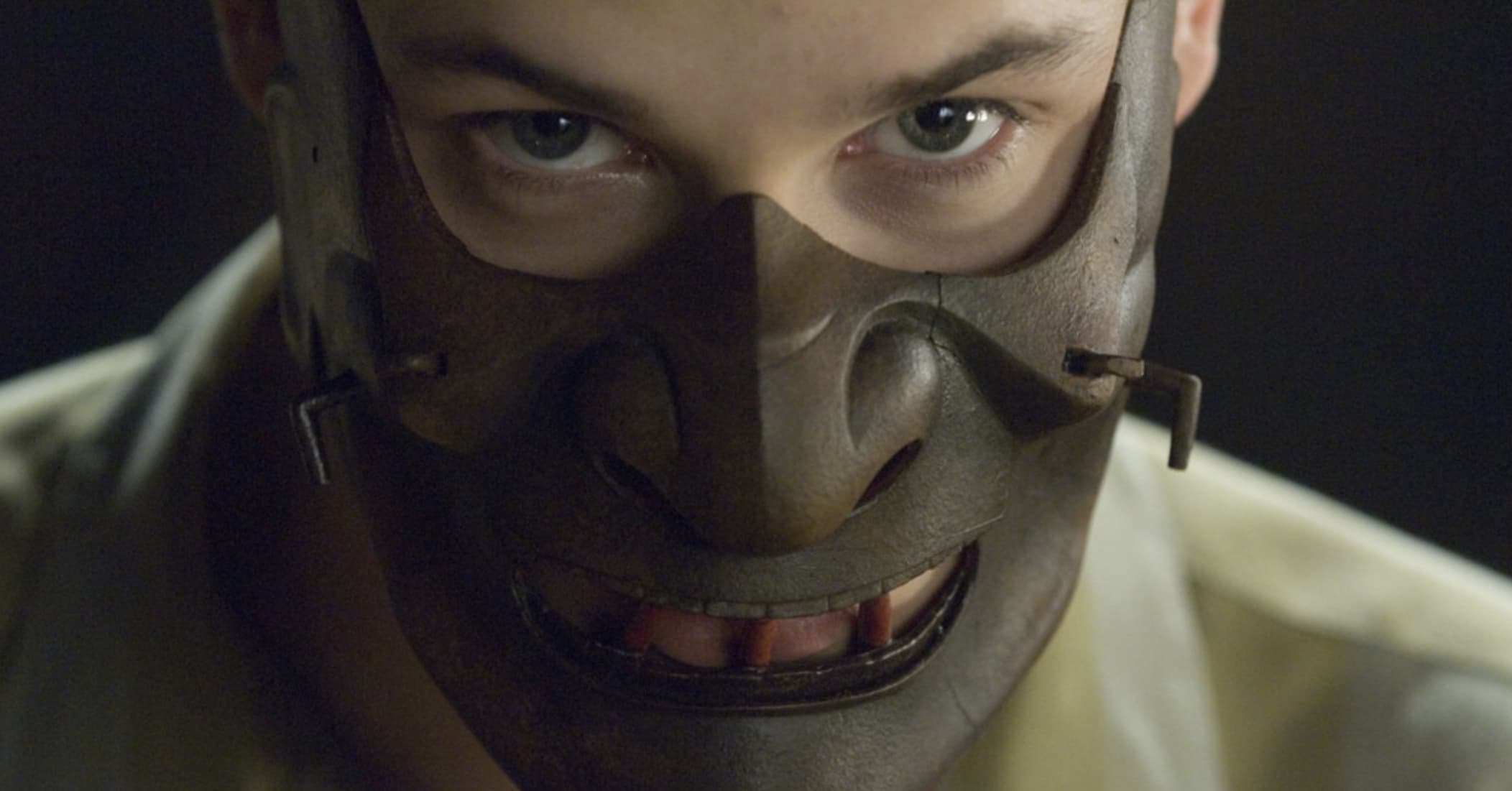
Have you ever noticed a group of starlings diving and swirling in the sky, creating a mesmerizing display? It's quite a sight, and it turns out this behavior has an interesting connection to a certain fictional character. Let's dive into the Hannibal Lecter story about starlings diving.
So, this whole thing started with a scene in the movie "The Silence of the Lambs". Hannibal Lecter, the infamous cannibalistic serial killer, makes an observation about starlings while chatting with Agent Clarice Starling (no relation). He says, "Starlings will fly south for the winter. Thirty thousand birds in a flock. They will cross a country, each bird knowing what the next one knows." It's a brief moment, but it stuck with a lot of people.
The Starling's Journey
Starlings are highly social birds, and their group flights, known as murmurations, are a fascinating natural phenomenon. These murmurations often happen at dusk when the birds gather in large numbers to roost. The synchronized movement of the flock creates a beautiful, almost dance-like pattern in the sky. It's a survival strategy, as the group movement confuses predators and makes it harder to target an individual bird.
Hannibal's Take
Hannibal Lecter's observation about starlings is a clever piece of writing. It hints at the intelligence and complex social dynamics of these birds. In the movie, it's a subtle way to showcase Hannibal's keen insight and his ability to find connections in the natural world. It's a small detail, but it adds depth to his character and leaves an impression on viewers.
A Real-Life Connection
Interestingly, the scene in "The Silence of the Lambs" has inspired real-life research. Scientists have studied starling murmurations and their intricate movements, trying to understand the underlying rules and patterns. It's a complex field of study, but it shows how art can inspire scientific curiosity and exploration.
So, the next time you see a flock of starlings dancing in the sky, you might think of Hannibal Lecter and his unique take on their behavior. It's a fun connection between fiction and the natural world, and it just goes to show how a simple observation can lead to interesting discoveries.
Go ahead, keep an eye out for those starlings and their amazing displays!