"I need to get my life together, but where do I even start?" That's a thought I've had way too many times, staring at a blank page, trying to figure out how to tackle my never-ending to-do list. That's why I'm here to talk about to do list priority templates - a simple yet effective tool to get your tasks in order and feel more on top of things.
A to do list priority template is exactly what it sounds like - a structured way to prioritize and organize your tasks. It's a framework to help you decide what needs doing first, what can wait, and what might not even be necessary right now. It's all about efficiency and making sure you're spending your time and energy on the right things.
The beauty of this template is its simplicity. You can use it for anything, from work projects to personal goals. It's a flexible tool that can be adapted to your needs and preferences. The basic idea is to divide your tasks into categories based on their urgency and importance. This way, you can quickly see what needs your immediate attention and what can be scheduled for later.
Getting Started with Your Priority Template
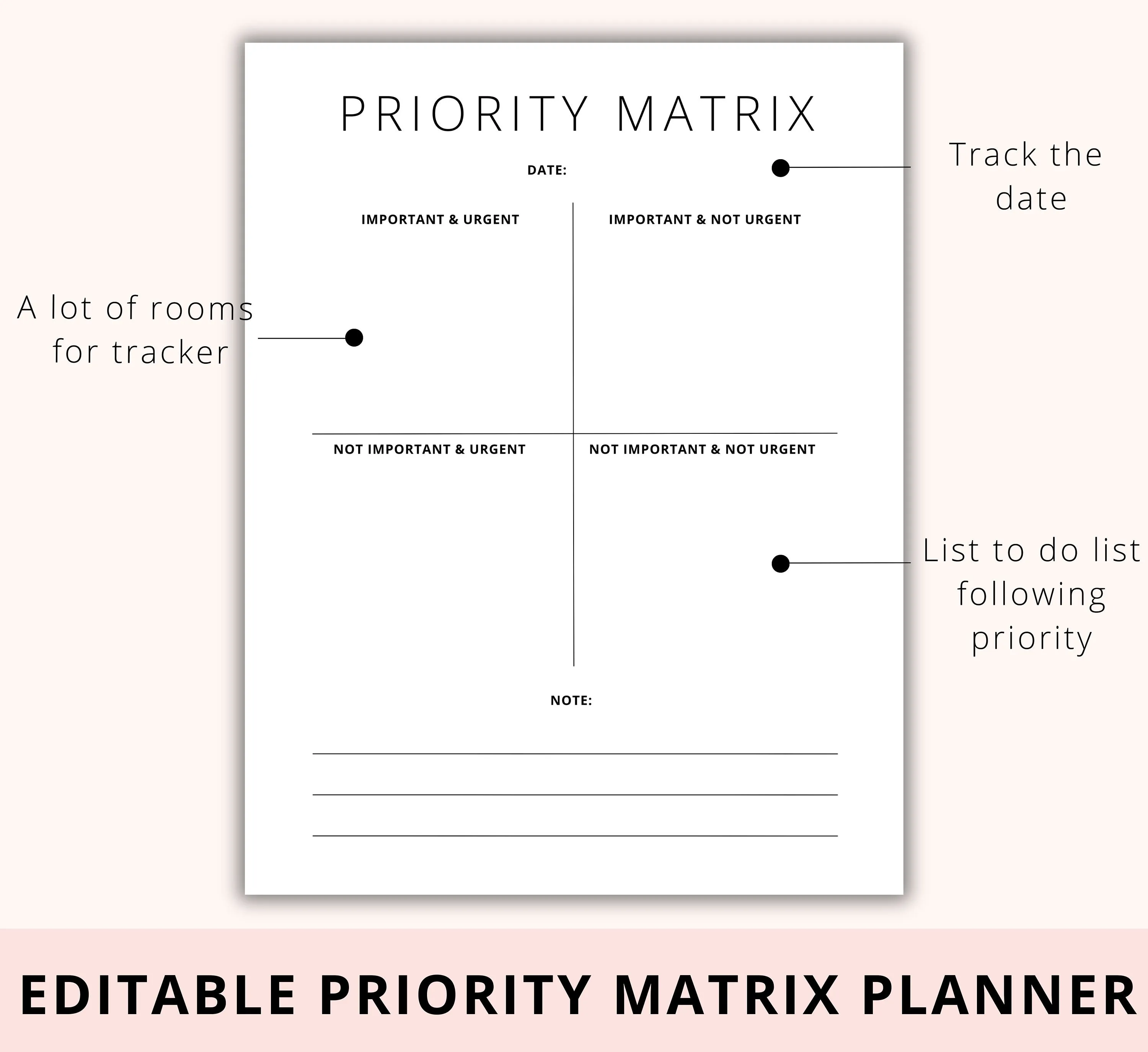
To create your own to do list priority template, start by listing all the tasks you can think of. Then, assign each task to one of the following categories:
- Urgent and Important: These are the tasks that require immediate action and have a significant impact if not done.
- Important but Not Urgent: Tasks in this category are important, but you have some time to complete them.
- Urgent but Not Important: These tasks may have a deadline, but they don't contribute much to your long-term goals.
- Not Urgent and Not Important: This category is for tasks that can be safely ignored or delegated.
Making It Work for You
Once you've categorized your tasks, it's time to get strategic. Review your list and decide on the best course of action for each category. For the urgent and important tasks, create a plan of action and set aside dedicated time to tackle them. For the important but not urgent tasks, schedule them into your calendar, ensuring they don't get pushed aside indefinitely.
The urgent but not important tasks might need some further evaluation. Are these tasks truly necessary, or can they be eliminated or delegated? If they must be done, consider if there's a way to complete them more efficiently or if they can be combined with other tasks to save time.
Finally, the not urgent and not important tasks can often be a source of relief. Knowing you don't have to worry about these tasks frees up mental space and energy for the more critical items on your list.
Using a to do list priority template is a great way to gain control over your tasks and feel more organized. It might take some time to find a system that works best for you, but the benefits are definitely worth it. So, why not give it a go and see how it can transform your to-do list from a source of stress to a manageable, organized list of tasks?


