I was chatting with a friend the other day, and they mentioned something about "telex messages through email." I had no idea what they were talking about, so I had to do a little digging. Turns out, it's a pretty interesting concept, and I thought I'd share what I learned about what is a telex message through email.
So, a telex message through email is basically a way to send a telex communication via email. But what's a telex, you ask? Well, it's an old-school method of sending text-based messages over a dedicated network. Think of it like a precursor to email, but with its own unique system.
A Brief History Lesson
Telex services first emerged in the 1930s and were widely used up until the 1980s. These services allowed people to send typed messages over long distances, which was a big deal back then. It was a reliable and fast way to communicate, especially for businesses and organizations.
How Does It Work?
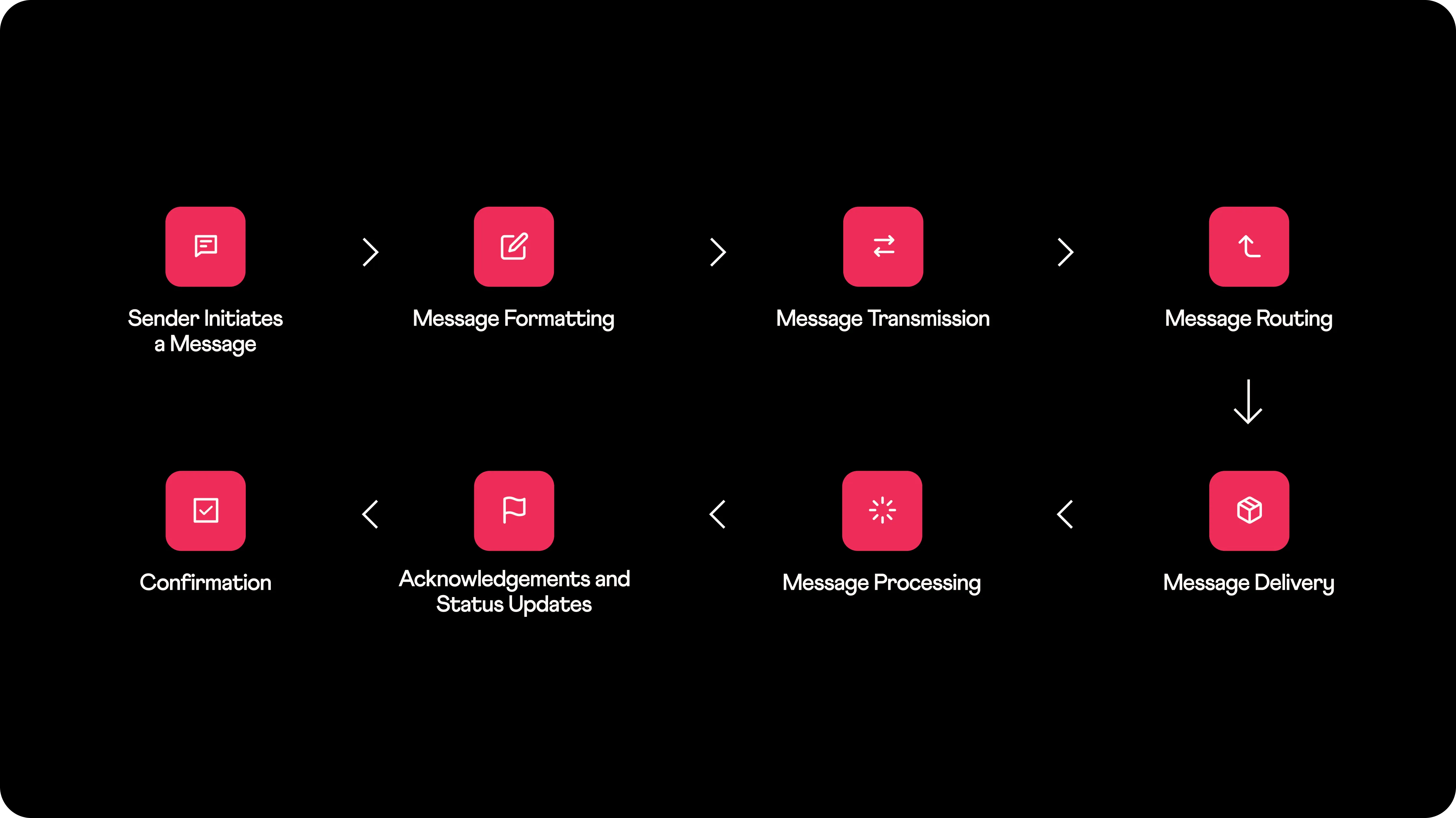
Now, here's the interesting part: telex messages through email essentially bridge the gap between old and new communication technologies. You can send a telex message using your email account. The process involves converting the email into a telex-readable format and then transmitting it over the telex network. It's like a modern twist on an old classic.
Practical Applications
You might be wondering why anyone would bother with this in the age of email and instant messaging. Well, telex services are still used in certain industries and regions. For example, some shipping and logistics companies still rely on telex for certain types of communication, especially when dealing with older systems or international partners.
It's also a useful backup option. If email or internet services go down, telex can provide a reliable alternative. Plus, telex messages are often more secure and less prone to hacking or interception, which is a big plus for certain types of sensitive communications.
So there you have it, a quick intro to what is a telex message through email. It's a unique blend of old and new, and it just goes to show how communication technologies continue to evolve and adapt. Who knows what the future holds for telex and email?


![Lulu - Bee Gees - Maurice Gibb - December 28, 1968 [Holland] - Telex ...](/editor?img=https%3A%2F%2Fi.ebayimg.com%2Fimages%2Fg%2F2VoAAOSwEwhk42A1%2Fs-l1600.jpg&from=what-is-a-telex-message-trhough-email)


